Tea as a Culinary Language: Beyond the Cup
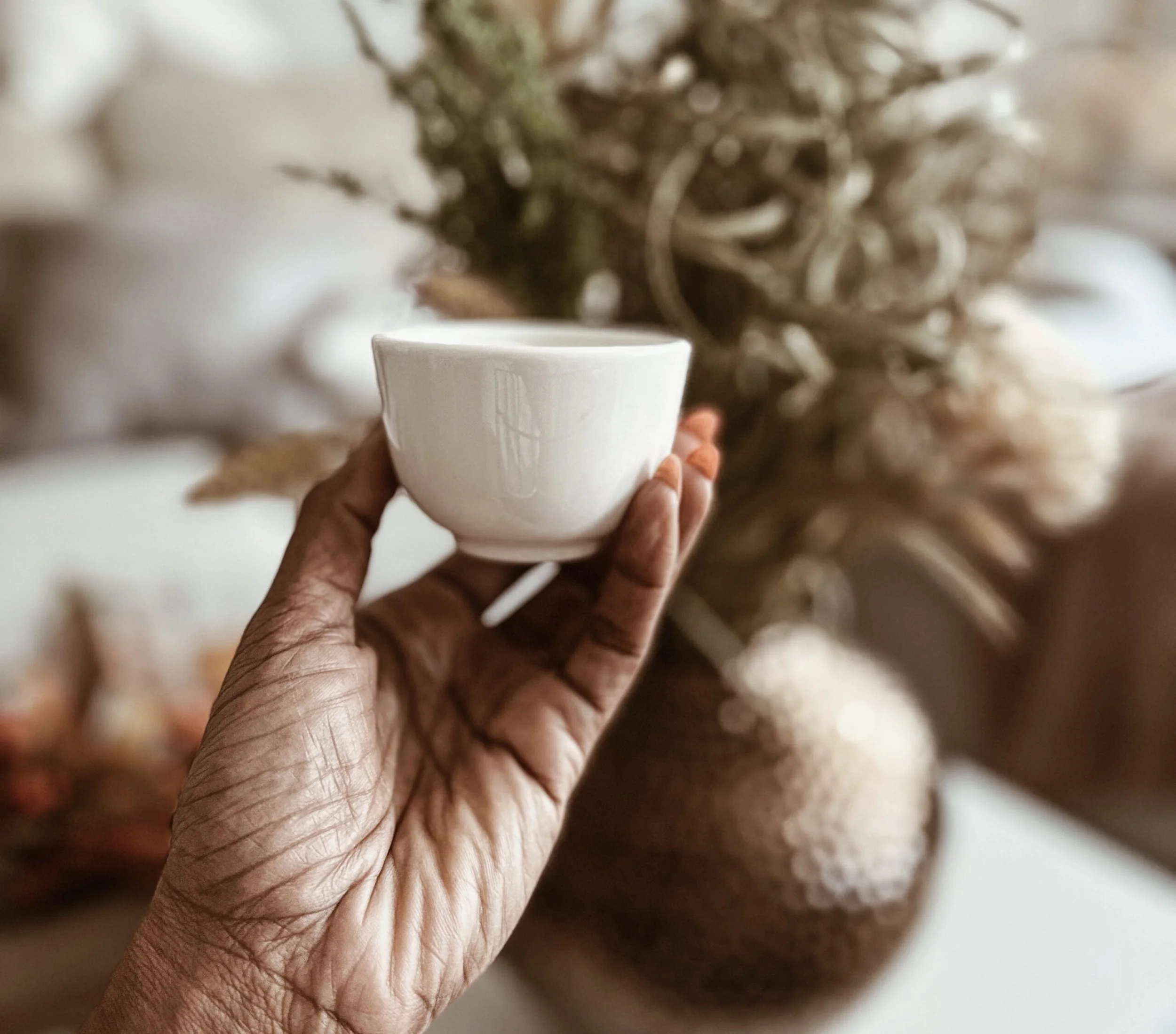
Tea as ritual is the foundation of how we approach every cup at Modestine, not as a beverage to rush, but as a culinary language shaped by intention, pairing, and presence.
A moment of pause - before the first sip.
Tea as a Culinary Language in Everyday Ritual
Tea as ritual is how we approach every cup at Modestine, not as a beverage to rush, but as a culinary language shaped by intention, pairing, and presence.
Tea has long been understood as something we sip. Warm. Familiar. Comforting.
Ritual Tea in Everyday Life
When we treat tea as ritual, it becomes more than a beverage it becomes an everyday ceremony.
But beyond the cup, in professional kitchens, in ancestral traditions, and in cultures that honor the leaf, tea has always held a deeper role. Tea is an ingredient. A technique. A language.
When approached with intention, tea does not simply accompany food. It shapes it.
Each blend reminds us that wellness isn’t rushed; it’s poured, savored, and felt. This season, sacred sipping becomes your anchor — a gentle way to slow down, reconnect, and honor the beauty of being present.
Tea as a Culinary Language
As a certified Tea Sommelier, I approach tea with the same discipline and respect afforded to wine, spices, and culinary aromatics.
Tea carries structure. It introduces aroma. It builds depth — quietly.
Unlike ingredients that demand attention, tea works with restraint. It enhances without overpowering, adding nuance rather than noise. This is what makes tea uniquely powerful in the kitchen.
Tea does not shout. It speaks — softly, deliberately, and with purpose.
Steeping vs. Brewing: Why Method Matters
Tools for a proper steep
Coffee is brewed. Tea is steeped.
That distinction is not semantic — it is foundational.
Steeping allows tea to release its character gradually, preserving balance and complexity. This slow extraction makes tea especially suited for culinary applications, where precision and harmony matter more than intensity.
When tea is steeped — not rushed — its true nature emerges. The aroma lingers. The texture softens. The flavor unfolds rather than arrives all at once.
This is where tea becomes expressive.
Tea Beyond the Cup
When tea leaves the cup, it enters a broader conversation with food.
In the kitchen, tea can be:
folded gently into baked goods, lending aroma and depth
steeped into syrups and reductions for desserts
used to infuse creams, fruits, or grains
incorporated into confections where subtlety is essential
Tea works best when it is treated as a culinary partner — not a novelty.
It brings clarity without heaviness. Warmth without sweetness. Structure without dominance. Tea earns its place quietly.
Tea Cookies, Scones & Pairing
Tea pairing is often misunderstood as something formal or prescriptive. In reality, pairing tea with food is less about rules — and more about conversation.
Tea responds to texture. It mirrors sweetness. It softens richness. It brightens spice.
A buttery tea cookie finds balance in a warming rooibos. A lightly spiced tea cookie opens beautifully alongside a citrus-forward blend. Caramel notes deepen when met with gentle tannin.
Tea-infused scones offer another expression of the leaf — woven gently into dough rather than steeped in water. Earl Grey brings lift and elegance. Orange spice blends offer warmth and depth, perfect for the season.
Tea cookies and scones are not meant to impress. They are meant to accompany.
This is where tea becomes social. Our Up With Earl blend is often paired with simple pastries or citrus-forward desserts, allowing the tea to lead the experience. This approach reflects our philosophy of Sacred Sip — slowing down and letting flavor guide the moment.
The ritual of pairing tea with small bites - from scones to macarons - has long been part of afternoon tea traditions, as explored by Food & Wine.
Ritual Meets Craft
At Modestine®, tea lives at the intersection of ritual and craft.
We honor tea’s heritage — its role in ceremony, tradition, and daily life — while reimagining how it can be experienced today. Not only as a beverage, but as a refined culinary element worthy of intention and respect.
An Invitation
Begin where you are — with the cup. Notice the color. The aroma. The way the tea settles before the first sip.
This is not about complexity for complexity’s sake.
It is about listening to the leaf.
Tea does not ask to be mastered.
It invites attentiveness.
Then allow tea to lead you further.
Beyond the cup
Into the kitchen
Into conversation
Into possibility
Explore our heritage blend — crafted to be enjoyed in the cup and beyond.